
Beneficiary and Transfer-on-Death Designations: Are You Doing It Right? Do you know which of your accounts have beneficiary designations, sometimes called transfer-on-death (TOD) or payable-on-death (POD) designations? Have you updated them recently? Are you aware of what can go wrong if there are issues with your beneficiary designation forms? If you answered “no” to any […]
Continue reading…How Do You Want to Leave Your Money Behind?
Is Outright Distribution the Perfect Fit for Your Loved Ones? Although Americans are living longer and spending more time—and money—in retirement, many parents intend to leave an inheritance to their children. The exact amount can vary greatly depending on individual circumstances and wealth levels, but even a small inheritance can be meaningful and help set […]
Continue reading…
Should I Buy a Home with Someone Other than a Spouse?
Rising housing costs, the desire for companionship, and the need to share resources are increasingly leading buyers to consider co-owning a home with someone other than a spouse, such as a friend, relative, or significant other. Although this arrangement can be beneficial on several levels, it should be approached with open communication, careful planning, and […]
Continue reading…
3 Asset Protection Tips You Can Use Now
A common misconception is that only wealthy individuals and people in high-risk professions, such as doctors or lawyers, need an asset protection plan. However, anyone can be sued. A car accident, foreclosure, unpaid medical bills, or an injured tenant can result in a monetary judgment that could crush your finances. What Is Asset Protection Planning? […]
Continue reading…
The Trust Protection Myth: Your Revocable Trust Protects Against Lawsuits
Many people believe that once they set up a revocable living trust and change the ownership of their accounts and property from themselves as individuals to their trust, those accounts and property are protected from lawsuits. This is not true. While trusts commonly protect a beneficiary’s inheritance, few trusts protect assets (accounts and property) previously […]
Continue reading…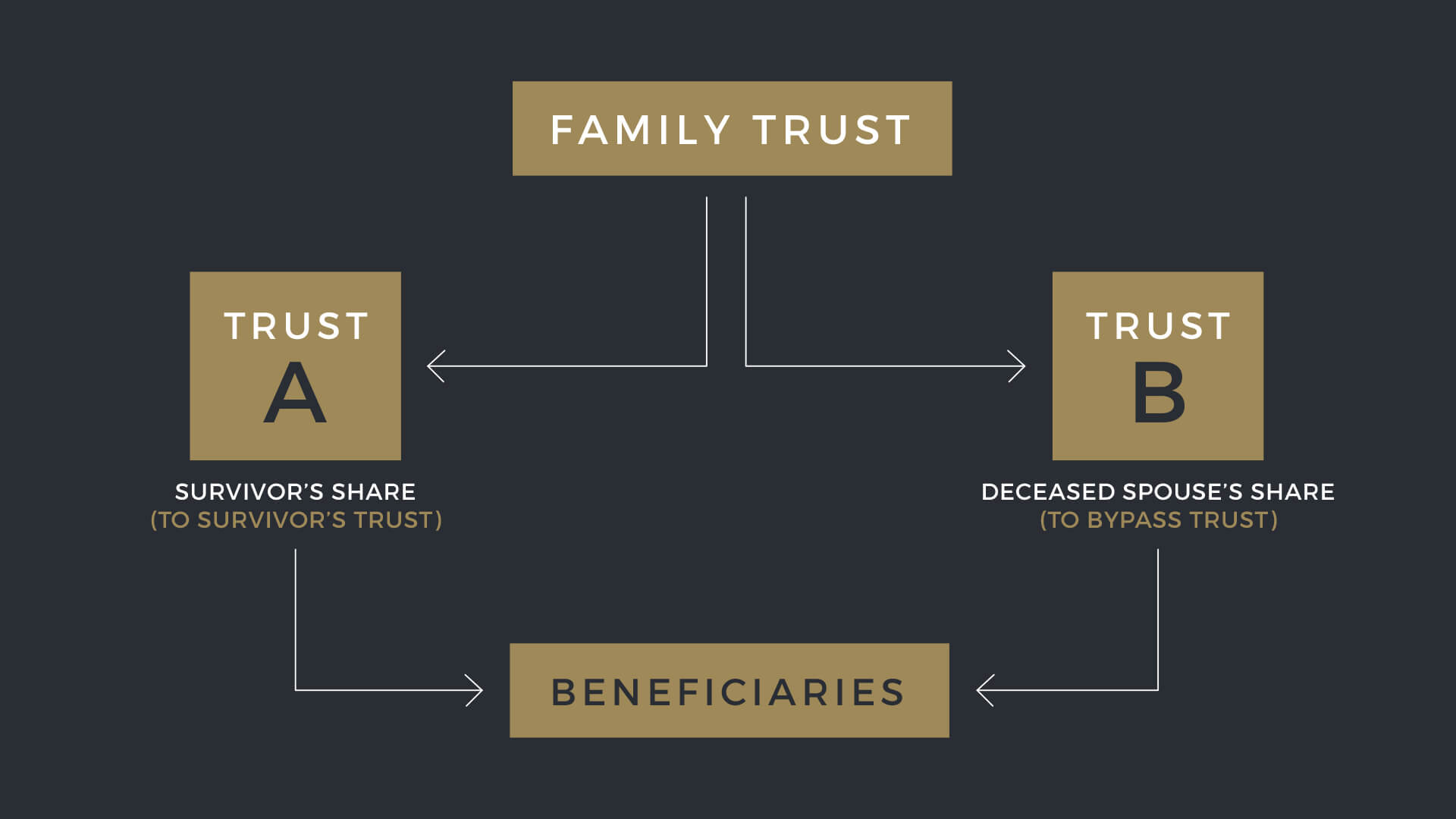
AB Trusts—Do You Need to Get Rid of Yours?
If the last time you and your spouse updated your estate plan was more than a decade ago, your estate plan may contain what is sometimes referred to as AB trust planning, which, until 2011, was the only way married couples could take advantage of both spouses’ federal estate tax exemptions. An AB trust structure […]
Continue reading…
Life Estate versus Right of Occupancy Trust: Which Is Right for You?
Planning for the future of your home can be complicated, especially when you want to ensure that a loved one can continue living there after you are gone. Two common tools for accomplishing this are life estates and right of occupancy trusts. A life estate grants someone the legal right to live in a home […]
Continue reading…
Planning for the Unthinkable: Essential Tools for Parents of Minor Children
Approximately three-fourths of Americans do not have a basic will.[1] Many of the same people also have children under the age of 18, which underscores a major misunderstanding about estate plans: They can accomplish much more than just handling financial assets (money, accounts, and property). One of the most important estate plan functions for parents […]
Continue reading…
Beware of Trust Scams—and How to Spot Them
Trusts are widely used in estate planning to protect and transfer a person’s assets (money, accounts, property, etc.), sometimes in a tax-advantaged manner. Some trusts are highly complex, with multiple parties, intricate structures, specialized legal terms, and references to arcane tax law that can be difficult for the average person to understand. Scammers have long […]
Continue reading…The Estate of Richard Simmons: Sweatin’ the Small Stuff
Fitness icon Richard Simmons, known for his flamboyant personality, high energy, and trademark attire, passed away in July 2024 following a fall at his Los Angeles home. Because of a legal dispute between his longtime housekeeper, Teresa Reveles Muro, and his brother, Leonard (Lenny) Simmons, the estate of the Sweatin’ to the Oldies star is […]
Continue reading…